Home » Blog » Event Accessibility 101: A Planning Checklist for 2026
Event Accessibility 101: A Planning Checklist for 2026

For a long time, “accessibility” in the events industry was often treated as a compliance box to tick, a ramp here, an accessible toilet there. But in 2026, the mindset has shifted entirely.
Accessibility is now a core pillar of inclusive event design. It isn’t just about physical mobility; it’s about neurodiversity, sensory needs, and digital inclusion. If your event is not accessible, you are actively excluding up to 20% of your potential audience.
Creating a truly welcoming environment requires planning from Day 1, not a retrofit on Day 30. Whether you are hosting a small workshop or a massive international trade show, this event accessibility checklist will ensure no attendee is left behind.
1. The Pre-Event Phase: Asking the Right Questions
Accessibility starts with registration. You cannot accommodate needs you don’t know about. However, many planners feel awkward asking about disabilities.
How to ask about accessibility needs for an event:
Don’t make it a medical interrogation. Use a standard, inclusive question on your registration form:
“We strive to make this event accessible to everyone. Do you have any access requirements (e.g., mobility, sensory, dietary, or audio-visual) that we should be aware of to ensure your full participation?”
The “Accessibility Statement”
Publish an accessibility statement for your event on your website. Be honest. If your historic venue has no elevator to the breakout rooms, state this clearly upfront. It allows attendees to make informed decisions rather than arriving and being stranded.
2. Badge Design: The Overlooked Access Tool
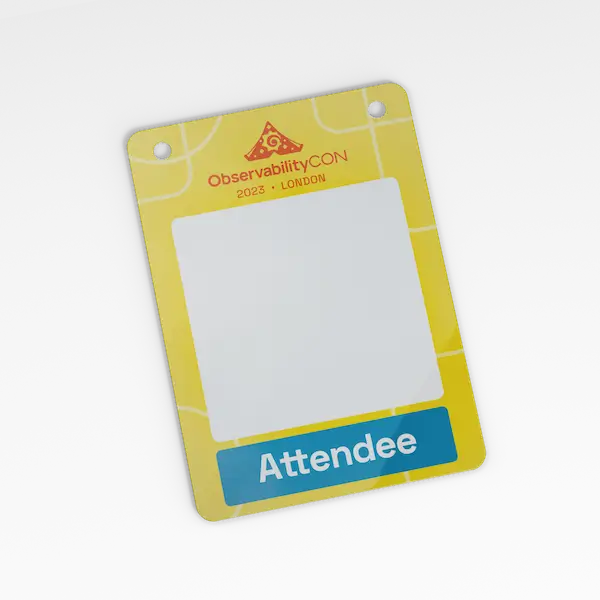
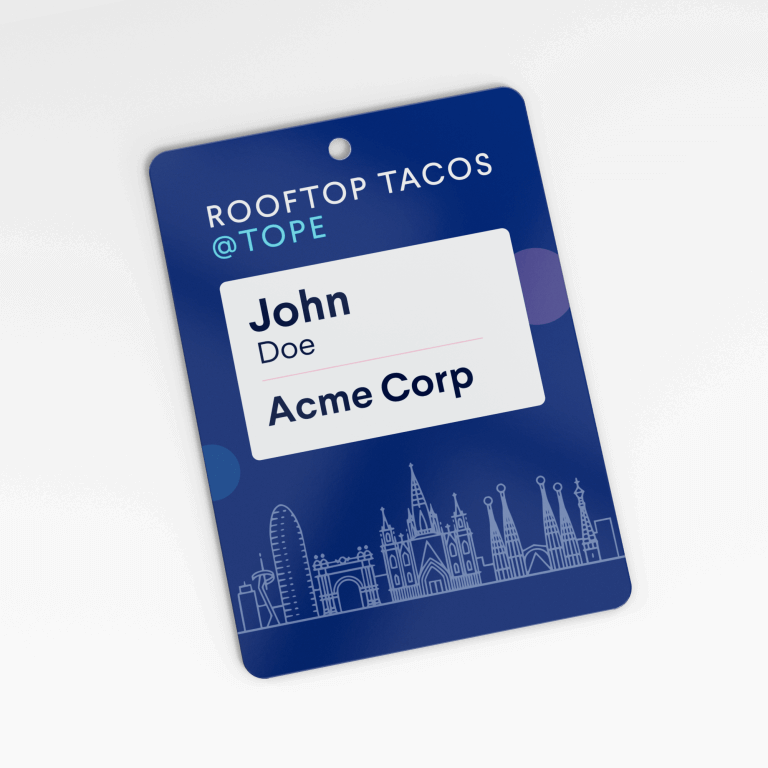
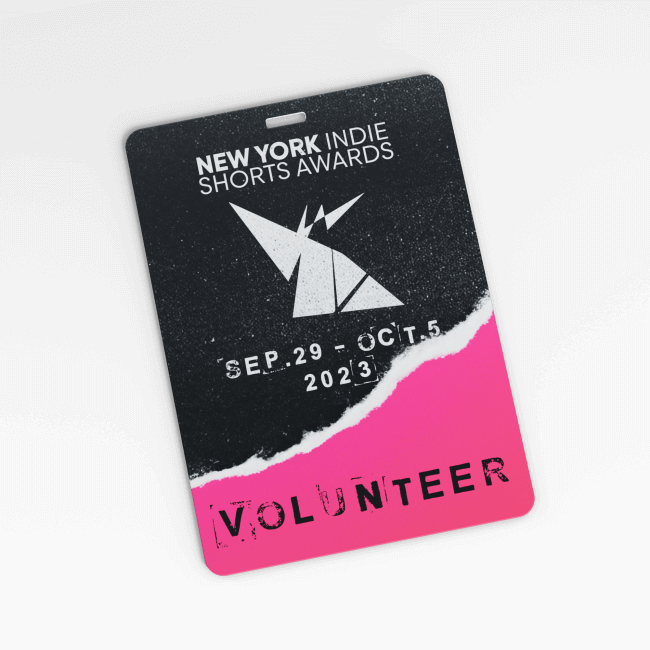
We often think of ramps and elevators, but credentials constitute a significant accessibility tool. If a badge is unreadable, it creates a barrier for attendees with visual impairments.
Design Rules for Accessible Badges:
- Font Size: The attendee’s first name should be legible at 2 meters. Avoid thin, script fonts. Stick to bold Sans-Serif.
- Contrast: High contrast is non-negotiable (e.g., black text on white). Avoid yellow text on white backgrounds.
- Matte Finish: Glossy laminates can create glare under venue lights, making them unreadable for people with low vision.
To support this, we recommend using Plastic Event Badges with a matte finish, or Sustainable Conference Badges, which naturally have a non-reflective paper texture.
3. The “Hidden Disabilities” Sunflower Lanyard
Not all disabilities are visible. In 2026, the Hidden Disabilities Sunflower scheme will be the global standard for events.
A green lanyard with yellow sunflowers signals to your staff that the wearer may need extra time, patience, or assistance (due to autism, anxiety, hearing loss, etc.) without them having to verbalize it.
- Action: Train your staff to recognize this symbol. Keep a stock of Sunflower lanyards at the registration desk.
4. On-Site Sensory Environments
Large conferences can be sensory nightmares, with loud music, flashing lights, and crowds. This can be overwhelming for neurodivergent attendees.
The “Quiet Room” Mandate
Designate a “Low Sensory Zone.” This should be a room away from the main hall with:
- Soft, warm lighting (no fluorescents).
- Comfortable seating.
- No music or amplified sound.
Navigation and Signage
Use clear, pictorial signage. Text-only signs can be difficult for attendees with dyslexia or non-native speakers. Color-code your zones (e.g., Blue for Tech Track, Green for Networking) and match these colors on your Laminated Event Badges to make navigation intuitive.
5. Digital and Audio-Visual Inclusion
- Captions: Live captioning (CART) on screens is now standard for keynotes, not just for people who are deaf or hard of hearing, but also for non-native speakers.
- Microphones: Enforce a strict “No Mic, No Question” policy. Even in small rooms, people with hearing loss cannot hear a question asked from the back row unless it is amplified.
Conclusion: Accessibility is Hospitality
Ultimately, accessibility in event management is just excellent hospitality. It means anticipating needs, so your guests don’t have to struggle.
When you design for accessibility, clearer badges, quieter spaces, and better signage, you improve the experience for everyone, not just those with disabilities.
Need credentials that meet 2026 accessibility standards?
Get a Quote from BadgeGo Today, and let’s design a badge that everyone can read.